Top 5 Habits That Damage Your Teeth Without You Knowing
Most people know that brushing, flossing, and visiting the dentist regularly are important for maintaining a healthy smile. However, protecting your teeth is about more than following a good oral hygiene routine. Some everyday behaviors can slowly wear down, weaken, or damage your teeth without causing obvious problems at first.
Because dental damage can develop gradually, you may not realize anything is wrong until you experience sensitivity, discomfort, a chipped tooth, or another noticeable change. Becoming aware of habits that damage your teeth can help you make small adjustments that protect your smile for years to come.
At Advanced Dentistry of Stockbridge, preventive care is an important part of helping patients maintain their oral health and natural teeth. Understanding which daily behaviors can put your teeth at risk is a great place to start.
1. Chewing on Ice and Other Hard Objects
Chewing ice may seem harmless because ice is simply frozen water. Unfortunately, its hardness can place significant pressure on your teeth. Repeatedly crunching ice may contribute to small cracks, chips, or damage to existing dental restorations.
The same concern applies to chewing on non-food objects. Pens, pencils, fingernails, and similar items can place forces on your teeth that they were not designed to handle. You may get away with these habits for years without noticing a problem, but it can take only one poorly placed bite to chip or crack a tooth.
Teeth are designed to chew food, but that does not make them indestructible. If you regularly chew ice or objects when you are bored, nervous, or concentrating, finding another way to occupy yourself can help protect your teeth.
Be especially careful if you already have fillings, crowns, veneers, or other restorations. Biting hard materials may damage both natural tooth structure and dental work.
2. Using Your Teeth as Tools
You cannot find a pair of scissors, so you tear open a package with your teeth. A bottle cap is difficult to remove, so you try using your teeth. Maybe you hold objects between your teeth when your hands are full.
These actions may seem convenient, but using your teeth as tools can lead to unnecessary dental damage.
Your teeth are meant for biting and chewing food. Using them to tear packaging, open containers, loosen knots, or hold hard objects exposes them to forces they were not designed to withstand. The result could be a small chip, a crack, or more significant damage.
Front teeth can be particularly vulnerable because people often use them when opening or tearing objects. Even if a tooth does not break immediately, repeated stress may weaken it over time.
Make it a rule to use the appropriate tool instead. Taking a few extra seconds to grab scissors or another household tool is much easier than dealing with an injured tooth.
3. Frequent Snacking and Sipping Sugary Drinks
It is easy to focus on how much sugar you consume while overlooking how frequently your teeth are exposed to it.
When you eat sugary or carbohydrate-rich foods, bacteria in your mouth can produce acids that contribute to tooth decay. Frequently snacking throughout the day means your teeth experience these conditions again and again.
Sugary beverages can create a similar problem, especially when you sip them slowly over several hours. Soda, sweetened coffee, sports drinks, energy drinks, and other beverages may repeatedly expose the teeth to sugar and acids.
You do not necessarily need to eliminate every sweet food or drink from your diet. Instead, pay attention to frequency. Eating a sweet treat with a meal rather than continuously snacking on sweets throughout the day can reduce repeated exposure.
Water is also a helpful beverage choice between meals. It can help rinse away food particles and does not continually expose your teeth to sugar.
4. Brushing Your Teeth Too Aggressively
Brushing is one of the most important habits for maintaining good oral health, but harder does not always mean better.
Some people assume that applying extra pressure removes more plaque. In reality, aggressive brushing can irritate the gums and contribute to wear along the surfaces of the teeth over time. A toothbrush with overly firm bristles combined with heavy pressure may make the problem worse.
The goal is to clean your teeth thoroughly without scrubbing them aggressively. Gentle, consistent brushing is generally more beneficial than applying excessive force.
Pay attention to your toothbrush as well. If the bristles become flattened or spread outward quickly, you may be pressing harder than necessary.
Technique matters just as much as consistency. Regular dental visits provide an opportunity to discuss your home care habits and identify areas where you may be able to improve your brushing or flossing routine. Advanced Dentistry of Stockbridge emphasizes preventive care and positive at-home habits for both children and adults, along with regular professional dental care.
5. Clenching or Grinding Your Teeth
Teeth grinding, also known as bruxism, can be particularly difficult to recognize because it often occurs while you are sleeping. Some people also clench their jaws during the day when they are stressed, concentrating, exercising, or performing demanding tasks.
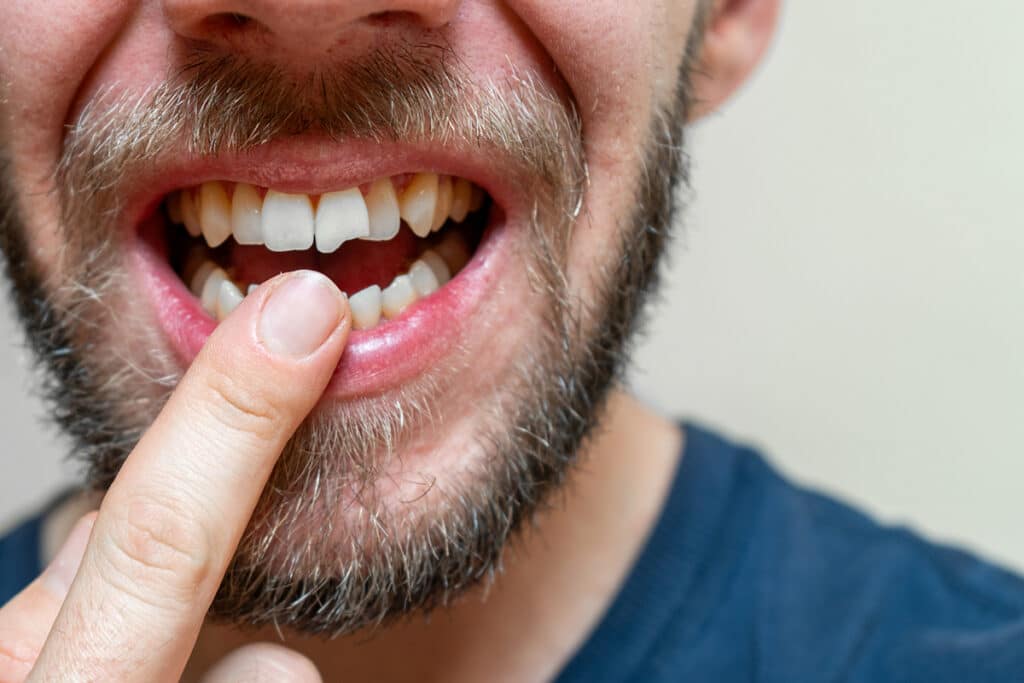
Over time, repeated grinding or clenching can place significant pressure on the teeth. You may notice flattened or worn tooth surfaces, sensitivity, small chips, or cracks. Some people also experience jaw discomfort or headaches.
Because nighttime grinding happens unconsciously, you may learn about it only after a dentist notices signs of unusual tooth wear.
If you suspect that you grind your teeth, tell your dentist. A professional dental evaluation can help determine whether there are signs of wear and whether a custom oral appliance may be appropriate. Advanced Dentistry of Stockbridge offers custom oral appliances as part of its general dental services.
Being aware of daytime clenching can also help. If you frequently catch yourself pressing your teeth together when you are not eating, consciously relaxing your jaw may help reduce unnecessary pressure.
Small Changes Can Make a Big Difference for Your Teeth
Many habits that damage your teeth seem harmless because the effects are not always immediate. Chewing ice once may not crack a tooth, and occasionally using your teeth to open something may not cause noticeable damage. The concern is that repeated stress can add up over time.
Paying closer attention to your daily habits can help you protect your natural teeth. Avoid chewing hard objects, stop using your teeth as tools, limit frequent exposure to sugary foods and drinks, brush gently, and address signs of grinding or clenching.
Preventive dental care is equally important. Advanced Dentistry of Stockbridge provides general and family dentistry in a warm, family-friendly environment and uses modern dental technology to help identify emerging concerns. Regular cleanings and comprehensive examinations can help your dental team detect problems before they become more difficult to address.
If you notice a chipped tooth, increased sensitivity, discomfort, or another change in your smile, do not assume it will resolve on its own. A dental evaluation can help determine what is happening and what treatment, if any, may be necessary.
Frequently Asked Questions About Preventive Dental Care
Can chewing ice really crack a healthy tooth?
Yes, biting hard materials such as ice can put considerable pressure on a tooth. Even if you have chewed ice for years without a problem, there is still a risk of chipping or cracking a tooth or damaging an existing restoration.
How can I tell if I am brushing too hard?
One clue is a toothbrush whose bristles become flattened or frayed quickly. You may also notice gum irritation or sensitivity. Your dentist or dental hygienist can evaluate your brushing technique and recommend ways to clean effectively without applying excessive pressure.
How do I know if I grind my teeth while sleeping?
Because nighttime grinding happens while you are asleep, it can be difficult to recognize on your own. Signs may include worn teeth, sensitivity, chipped teeth, jaw discomfort, or morning headaches. A dentist can examine your teeth for patterns of wear associated with grinding or clenching.
Why are regular dental exams important if my teeth feel fine?
Some dental problems can develop before you experience obvious pain or other symptoms. Regular examinations allow your dentist to evaluate your teeth, gums, and surrounding structures and identify emerging concerns. Advanced Dentistry of Stockbridge recommends preventive care that includes regular examinations and professional cleanings.
What should I do if I chip or crack a tooth?
Contact a dentist for an evaluation, even if the tooth does not hurt. Damage can sometimes expose deeper parts of the tooth or become worse without treatment. Advanced Dentistry of Stockbridge provides restorative and emergency dental services for patients with damaged teeth.
We are Advanced Dentistry of Stockbridge, providing comprehensive dental care in a comfortable, family-friendly environment for patients in Stockbridge and surrounding communities. Our goal is to help our patients maintain their oral health, protect their natural teeth, and feel confident about their smiles through preventive, restorative, and cosmetic care. Contact us today to schedule an appointment.