Does a Missing Tooth Always Need to Be Replaced?
Losing a tooth can feel like a small thing or a big deal, depending on where it sits in your mouth. Maybe it happened from an injury, decay, or a tooth that simply wore out over time. Either way, you might be asking yourself one honest question: do you really need to replace it?
The short answer is that replacement is often recommended, but it is not always required for every single tooth. The right choice depends on your bite, your oral health, the tooth's location, and your personal goals. We want you to feel informed, not pressured. Below, we walk you through what a missing tooth can mean for your health, what your options look like, and how we help you decide what fits your smile.
When Replacement Makes the Most Sense
We look at more than the gap itself. We look at the whole picture of your mouth.
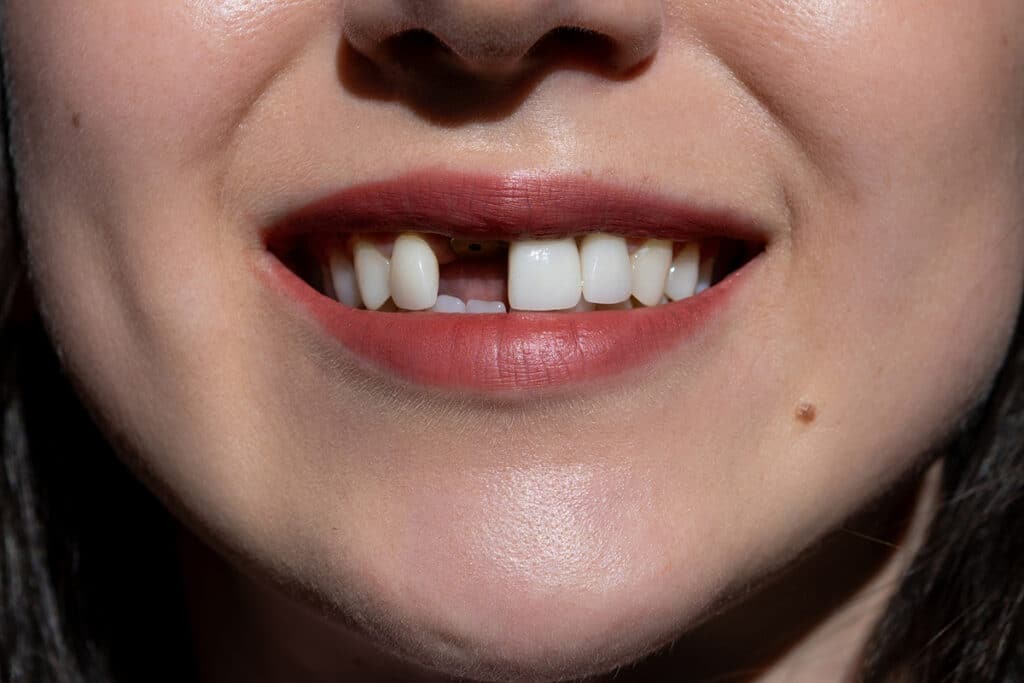
A missing tooth toward the front affects your smile and your speech. A missing molar in the back affects how you chew and how your bite holds together. Both matter, just in different ways. Some patients want to restore function above all. Others care most about appearance. Many want both.
Here is what we weigh when we talk with you:
- The location of the tooth and how visible it is.
- How the gap affects your bite and chewing.
- Your overall oral health, including gums and bone.
- Your daily habits and long-term goals.
If a tooth is fully gone and the gap changes how you eat or smile, replacement usually helps. If the space is small and stable, we may take a watchful approach. Every mouth is different, and your plan should be too.
What Can Happen If You Leave the Gap
We never want to scare you. We do want you to know the facts so you can choose wisely.
Teeth work as a team. When one goes missing, the others may start to shift toward the open space. Over time, that drift can change your bite and make cleaning harder. A harder-to-clean mouth often leads to more decay and gum trouble down the road.
There is also the bone underneath. The bone in your jaw stays strong when a tooth root stimulates it. Without that root, the bone can slowly shrink. This is called bone loss, and it can affect the shape of your face and the support for nearby teeth.
A few more things can follow a missing tooth:
- Nearby teeth tilt or drift into the gap.
- Your bite shifts, sometimes causing jaw discomfort.
- Chewing becomes harder, so you may avoid certain foods.
- A visible gap can make you feel less confident in your smile.
The good news is simple. When you act early, you often avoid these problems altogether. We help you stay ahead of them.
Your Options to Restore the Space
We offer several ways to replace a missing tooth, and we match the option to your needs. You do not have to figure this out alone. We walk you through each choice in plain language so you know what to expect.
Here are the most common options we discuss:
- Dental implants. An implant replaces both the root and the visible tooth. It looks and feels natural, and it helps protect the bone underneath. Implants are a strong, long-lasting choice for many patients.
- Dental bridges. A bridge fills the gap by anchoring to the teeth on either side. It restores chewing and keeps your smile complete without surgery.
- Dentures. Dentures replace one tooth, several teeth, or a full arch. Modern dentures fit comfortably and look natural, giving you back your confidence.
Each option has its own benefits, and we help you compare them based on your health, your budget, and your goals. We also use advanced technology, including 3D imaging, to plan precise treatment. That means a more comfortable visit and a result that fits the way you live.
Making the Right Choice for Your Smile
So, does a missing tooth always need to be replaced? Not in every case, but replacement is often the healthiest path. The decision comes down to the tooth's location, your bite, your oral health, and what you want for your smile. When you understand the risks of leaving a gap, the choice usually becomes clearer. Our job is to give you honest guidance and a plan that feels right for you. Whether you choose an implant, a bridge, or a denture, we are here to restore your comfort and your confidence. The next step is easy: talk with us, and we will help you find the answer that fits your life.
Frequently Asked Questions About Restorative Dentistry
How soon should I replace a missing tooth?
Sooner is usually better. Acting early helps prevent shifting teeth, bite changes, and bone loss. We can examine your mouth, explain your options, and help you decide on a timeline that protects your long-term health.
Will my other teeth move if I do nothing?
Often, yes. Teeth tend to drift toward an open space over time. This can change your bite and make cleaning harder. We monitor these changes and help you decide whether replacement is the right move for you.
Are dental implants better than bridges or dentures?
Each option has its strengths. Implants protect the bone and feel very natural. Bridges restore function without surgery. Dentures replace one tooth or many. We compare them with you based on your health, goals, and budget.
Does replacing a missing tooth hurt?
We focus on your comfort at every step. We use advanced imaging to plan precise treatment, and we offer options to keep you relaxed. Most patients are surprised by how smooth and comfortable the process feels.
Will my dental insurance help cover the cost?
We work with many dental insurance plans and offer flexible payment options. Our team helps you understand your coverage and find a plan that fits your budget, so you can move forward with confidence.
We are Advanced Dentistry of Stockbridge, a family-oriented dental office in Stockbridge, GA. We provide comprehensive general, restorative, and cosmetic care using advanced technology, all in one comfortable place. We proudly serve families across Henry County and Greater Atlanta. Ready to restore your smile? Schedule an appointment with us today.